Thank you! Your submission has been received!
Oops! Something went wrong while submitting the form.

Close

Fill in your details or phone us for immediate assistance.
We offer a minimum 90 night stay.

Chinatown in Vancouver is one of the city’s most historic and culturally significant neighbourhoods. Located just east of the downtown core, it offers a unique blend of heritage architecture, authentic cuisine, cultural institutions, and evolving urban energy.
From classical Chinese gardens to dim sum restaurants and contemporary cocktail bars, Chinatown reflects both the legacy and the future of the Chinese Canadian community.
This guide highlights what to see, where to eat, and how to explore Chinatown in Vancouver, helping you plan a visit that balances history, culture, and local flavour.
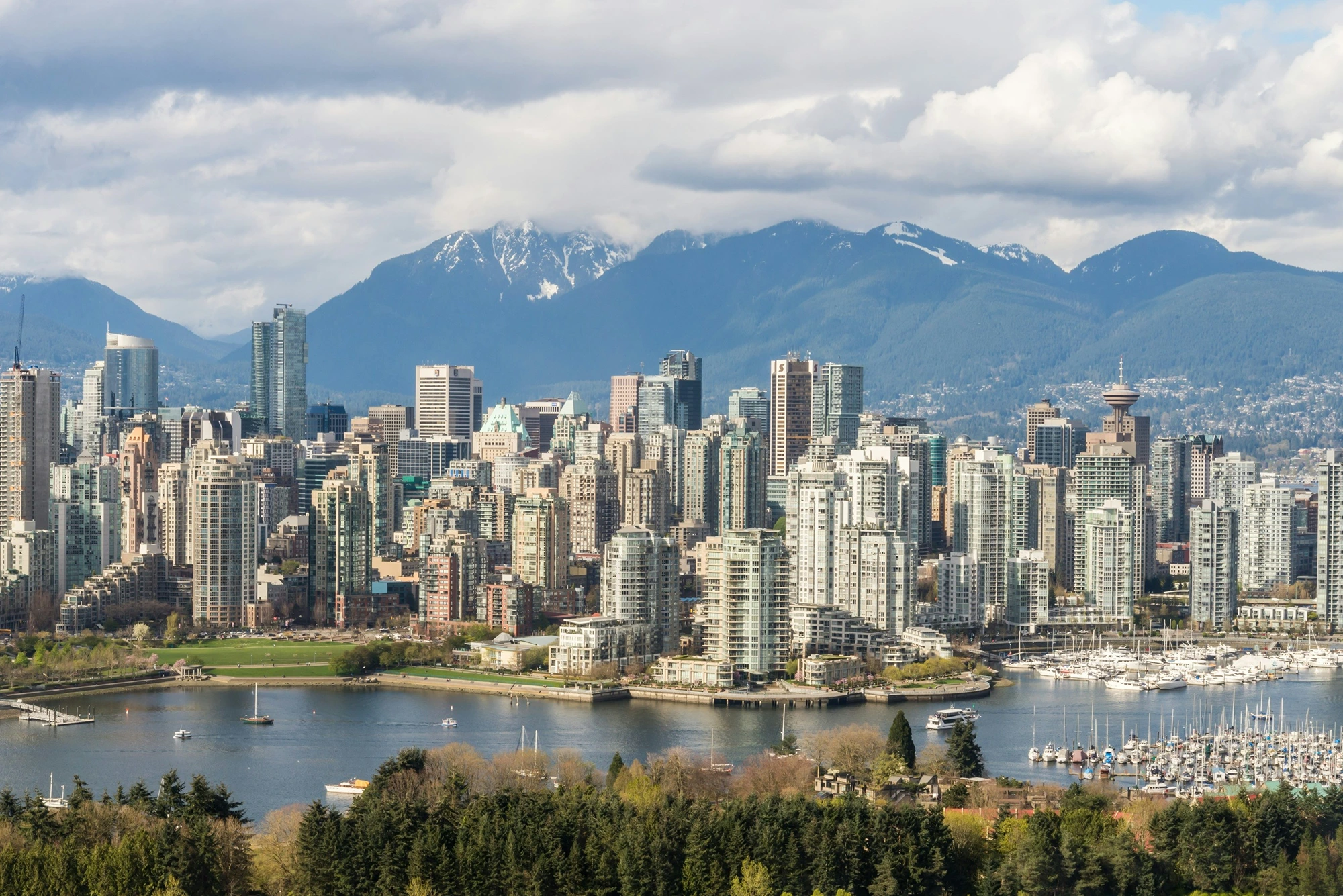
Chinatown sits just east of Downtown Vancouver, near Gastown and the Stadium-Chinatown SkyTrain Station. It is centred around Pender Street and stretches toward Main Street and Carrall Street.
Its location makes it accessible on foot from much of downtown. From the West End, it is a short bus ride, bike trip, or SkyTrain journey. Because of its proximity to the downtown core, Chinatown is often combined with visits to Gastown, Rogers Arena, or False Creek.
Vancouver Chinatown history dates back to the late 19th century, when Chinese immigrants arrived to work on the Canadian Pacific Railway and in mining and resource industries. Many settled in this area, establishing businesses, family associations, and cultural institutions despite facing significant discrimination.
Over time, Chinatown became a centre of community life and cultural preservation. Today, it remains one of the largest and oldest Chinatowns in North America. Heritage buildings, traditional architectural details, and long-standing businesses reflect this enduring legacy.
Institutions such as the Chinese Canadian Museum and the Chinatown Storytelling Centre help preserve and share these stories, offering visitors deeper insight into the experiences and contributions of Chinese Canadians.
One of the most visited attractions in Chinatown in Vancouver is the Dr Sun Yat-Sen Classical Chinese Garden. Built in 1986, it was the first full-scale classical Chinese garden constructed outside China.
Designed in the style of a Ming Dynasty scholar’s garden, it features traditional pavilions, koi ponds, rock formations, and carefully balanced landscaping. The garden offers a calm contrast to the surrounding city and is a highlight for visitors interested in architecture, philosophy, and traditional design principles.
The Chinese Canadian Museum presents exhibitions exploring the history, challenges, and achievements of Chinese Canadians. Through archival materials, multimedia displays, and rotating exhibitions, it connects the local story of Chinatown in Vancouver to broader national narratives.
For visitors seeking historical depth beyond food and architecture, this museum provides important context.
The Chinatown Storytelling Centre focuses specifically on Vancouver Chinatown history. Through photographs, oral histories, and interactive exhibits, it documents the evolution of the neighbourhood and the lived experiences of early immigrants and their descendants.
It is particularly useful for understanding how Chinatown adapted through periods of economic hardship and urban redevelopment.
The Chinatown Millennium Gate marks a ceremonial entrance to the neighbourhood along Pender Street. With its traditional rooflines, detailed ornamentation, and symbolic colours, it serves as a visual reminder of the area’s cultural identity and resilience.
Many visitors begin their walk through Chinatown here.
The Sam Kee Building is officially recognized by Guinness World Records as one of the narrowest commercial buildings in the world. Built in 1913 after most of the original lot was expropriated, it measures only about 1.5 metres wide at its narrowest point.
Despite its size, it remains an architectural curiosity and a testament to the ingenuity of early property owners in Chinatown in Vancouver.
Food is central to the experience of Chinatown in Vancouver. The neighbourhood offers everything from traditional dim sum and barbecue shops to modern dining concepts that reflect the city’s evolving culinary scene.
Dim sum Chinatown Vancouver options remain one of the main reasons visitors come to the area. Restaurants serve dumplings, steamed buns, rice rolls, and shareable plates that reflect Cantonese culinary traditions.
Barbecue shops displaying roasted duck and pork in their windows are part of the neighbourhood’s visual identity. These establishments offer affordable, authentic meals that continue to attract both longtime residents and newcomers.
Beyond traditional spots, many of the best Chinatown restaurants in Vancouver now include contemporary favourites that blend heritage flavours with modern techniques. Bao Bei blends regional Chinese flavours with modern techniques, while Kissa Tanto combines Italian and Japanese influences in a heritage building setting.
The Keefer Bar is known for its creative cocktails inspired by Chinese herbal traditions, making it a popular evening destination.
Chinatown restaurants in Vancouver also include smaller, family-run establishments that serve noodle soups, congee, and rice plates. These modest spaces often provide some of the most authentic flavours in the area.
Exploring side streets can reveal hidden gems that may not appear on standard tourist lists but are well loved by locals.
Tea culture plays an important role in Chinatown in Vancouver. Shops such as Treasure Green Tea Company offer curated selections of loose-leaf teas and provide insight into traditional brewing methods.
Specialty stores selling herbal remedies, dried goods, and imported ingredients add another layer to the culinary landscape. Even if you are not cooking, browsing these shops offers a glimpse into daily life within the community.
Street-level markets and small grocers are still active throughout Chinatown in Vancouver. Seasonal fruits, fresh vegetables, and imported products line storefronts, contributing to the neighbourhood’s vibrant street life.
Community centres and cultural associations continue to host events, language classes, and celebrations that reinforce Chinatown’s role as a living neighbourhood rather than a static historic district.
Chinatown in Vancouver is well connected to the rest of the city.
From Downtown Vancouver: From the downtown core, you can reach Chinatown on foot in about 15 to 20 minutes, depending on your starting point. The Stadium-Chinatown SkyTrain Station also provides quick access from other parts of the city.
From the West End: If you are staying in the West End, public transit offers a straightforward route into Chinatown. Several bus lines connect through downtown, and cycling is another convenient option. The relatively flat terrain makes biking accessible for most visitors.
Because of its central location, Chinatown can easily be combined with a broader day of exploring Downtown Vancouver.
Chinatown in Vancouver stands out for its combination of history, culture, and evolving urban life. You can spend an hour visiting the Dr Sun Yat-Sen Classical Chinese Garden or several hours exploring museums, restaurants, and specialty shops.
For those staying in Downtown Vancouver or the West End, the neighbourhood provides insight into the city’s multicultural foundations while remaining close to other major attractions.
The Bradford offers fully furnished suites in one of Downtown Vancouver’s most walkable residential neighbourhoods. Staying in a central, pedestrian-friendly area makes it easy to visit destinations such as Chinatown at your own pace while enjoying the comfort and flexibility of a home-style setting. Contact us to learn more about our furnished rentals and plan your stay in Vancouver.

Furnished rentals in downtown Vancouver
1 bedroom and studio apartments